
Oct 16, 2026 · 4 min read
How to Compare Two Job Offers When Salary Isn't the Only Thing That Matters
Learn a simple way to compare two job offers beyond pay, using paper and pen or the Pros & Cons and Decision Matrix tools in a decision app.
23 articles on programming, web tech, gaming, and the tools we build. Updated every week.
Learn a simple way to compare two job offers beyond pay, using paper and pen or the Pros & Cons and Decision Matrix tools in a decision app.

Rankings are a poor stand-in for fit. Learn how to define your priorities, compare real costs, and score colleges with a weighted method that reflects your life.

Clear decision rights, time limits and simple voting methods help groups reach a choice faster, without silencing dissent or reopening settled questions.

Before adopting, test your plans against 10 minutes, 10 months and 10+ years. A practical checklist covering time, money, housing and long-term commitment.

The 10-10-10 rule asks how you'll feel about a choice in 10 minutes, 10 months and 10 years. Here is how it works, where it helps and where it falls short.
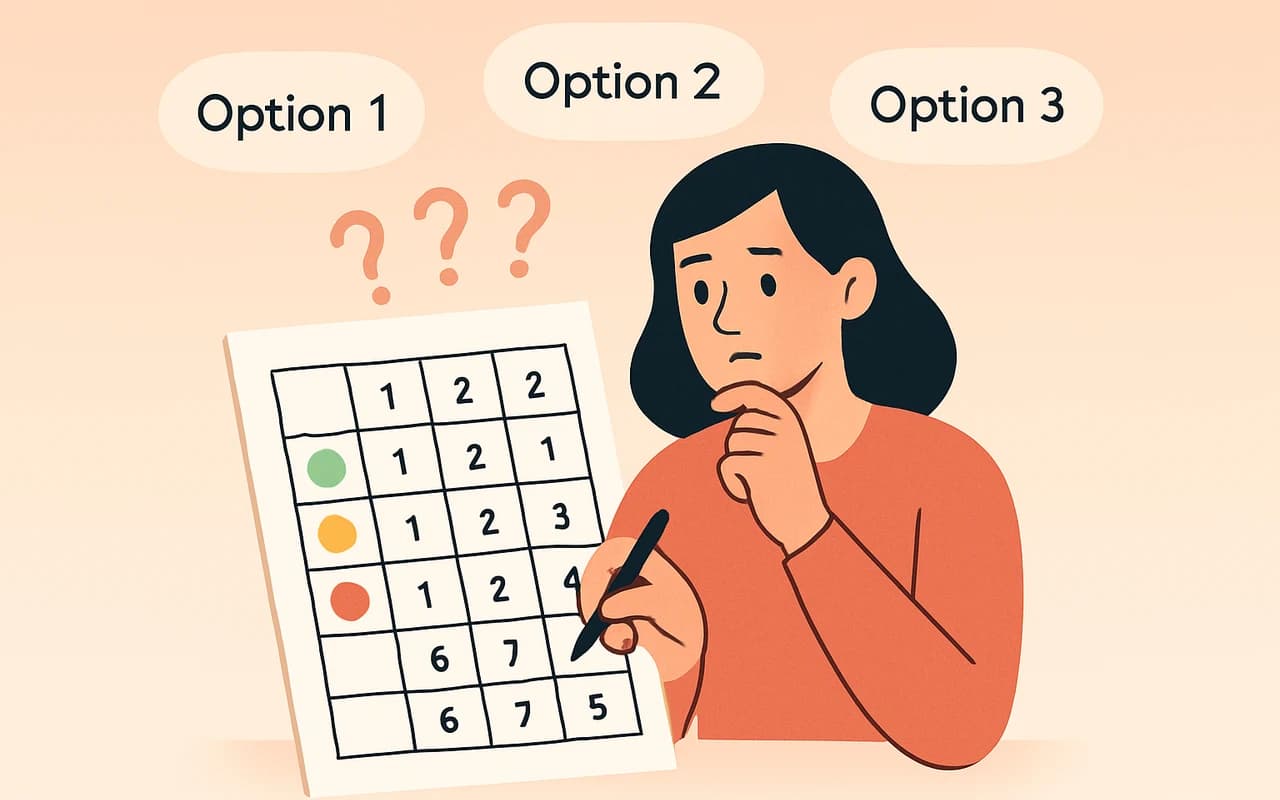
A decision matrix scores each option against weighted criteria so you can compare three or more choices objectively. Learn the steps, a worked example and limits.
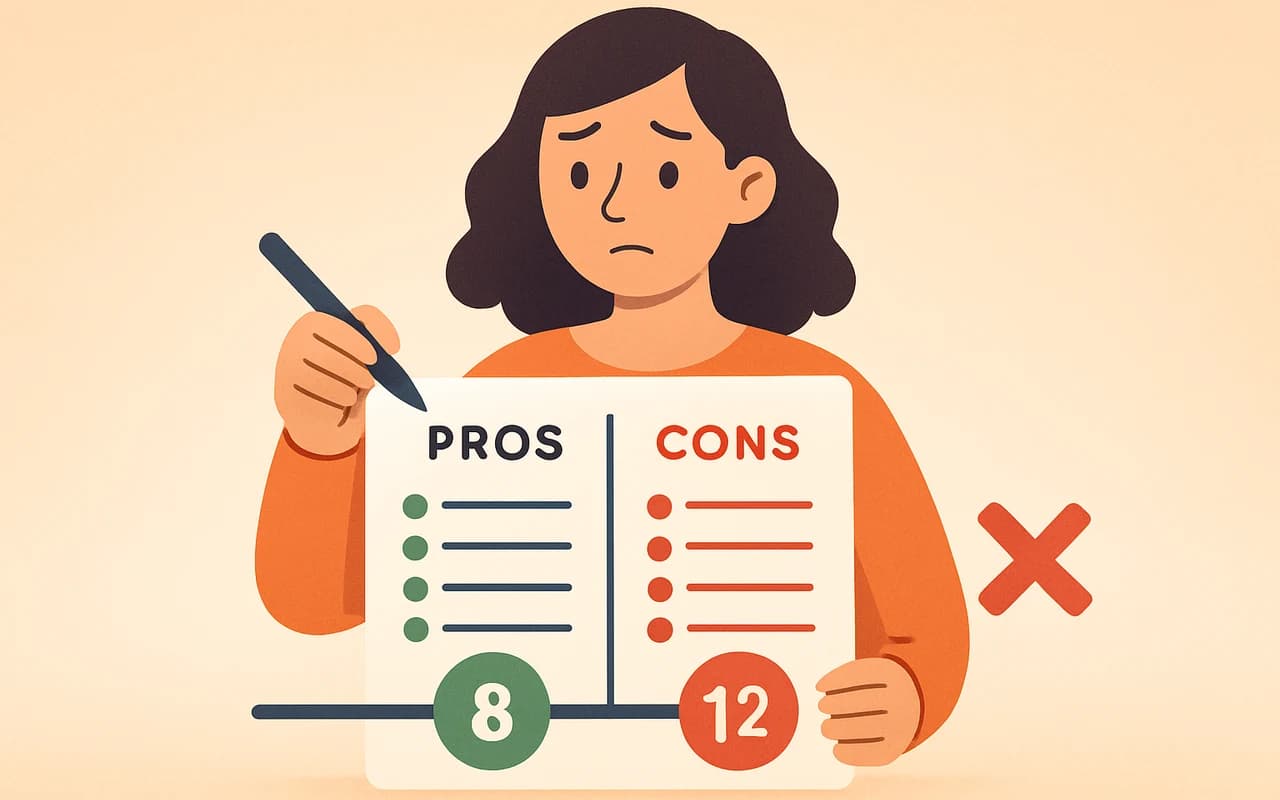
A plain pros and cons list often ends in a tie. Learn how to weight each item, total the score, and spot dealbreakers so the list points to a real decision.
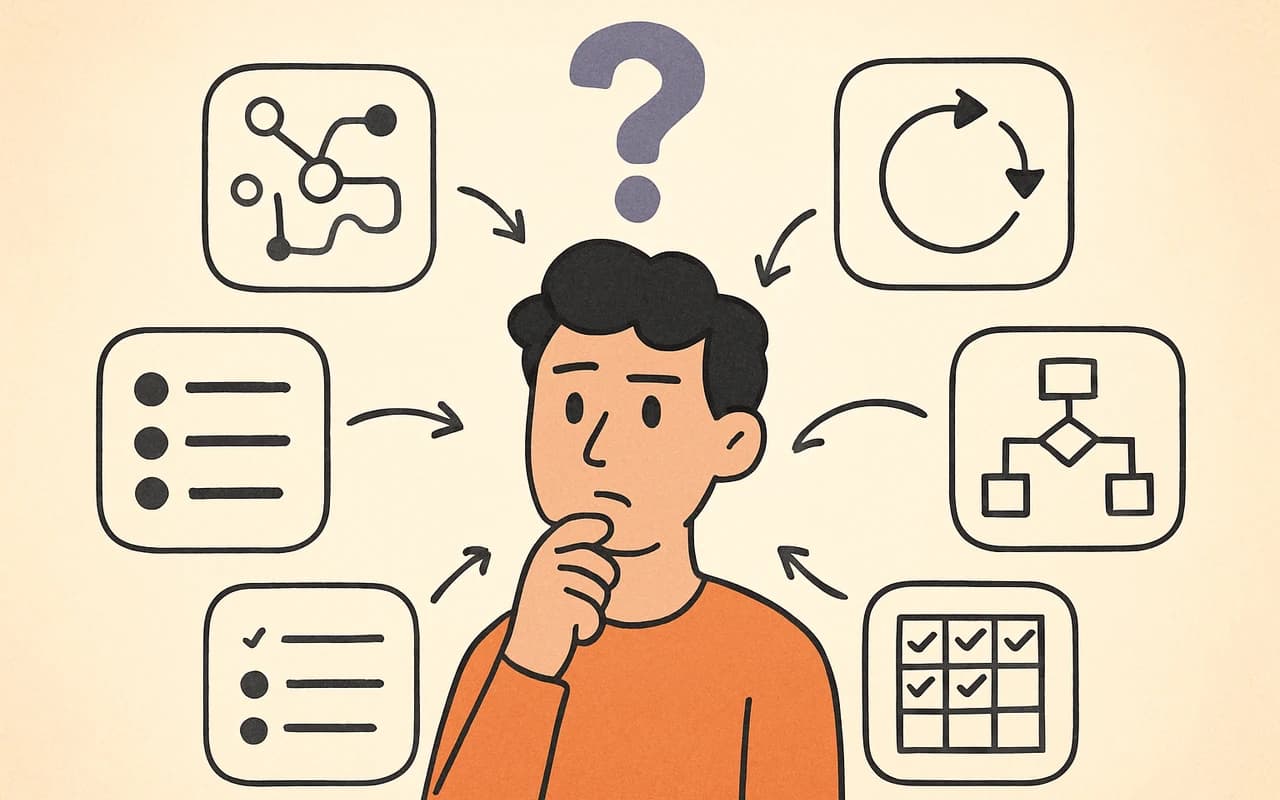
Five decision-making frameworks explained: Cynefin, OODA, RAPID, DACI and the weighted matrix, plus a simple three-question way to pick the right one.
Tracking study time can keep you motivated, but only if the numbers are honest. Learn what to count, what to leave out, and how to read the total.

A practical breakdown of how 600 hours of focused study, split across input, speaking, and review, can get an English speaker to conversational Spanish in a year.

Learn how many study hours each CEFR level typically takes, how to turn them into a weekly plan, and how to track real progress from A1 to English B2.
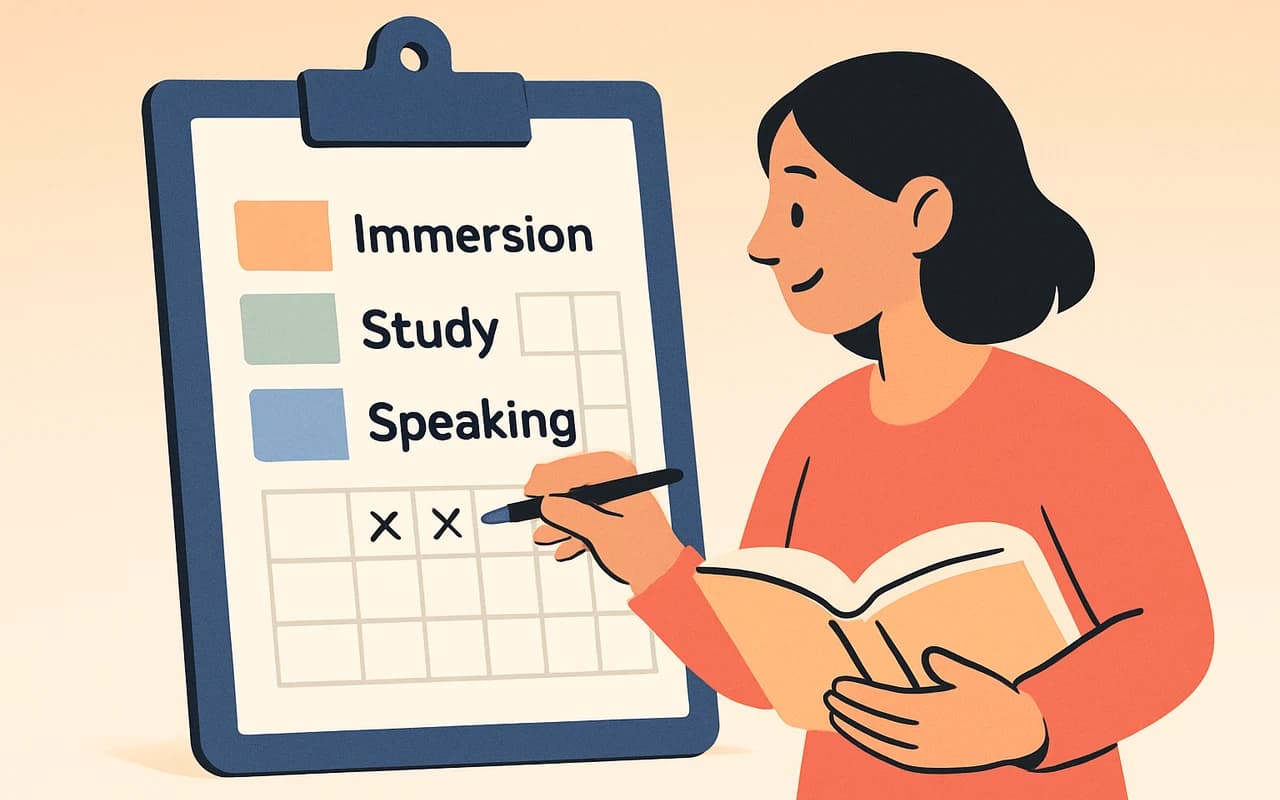
Tracking immersion, study, and speaking hours as separate categories shows where your language progress comes from and where it stalls. Here is how to do it.

A practical plan for logging 1,000 hours of Japanese study: how to split your time, which tools to track it with, and what level to realistically expect.
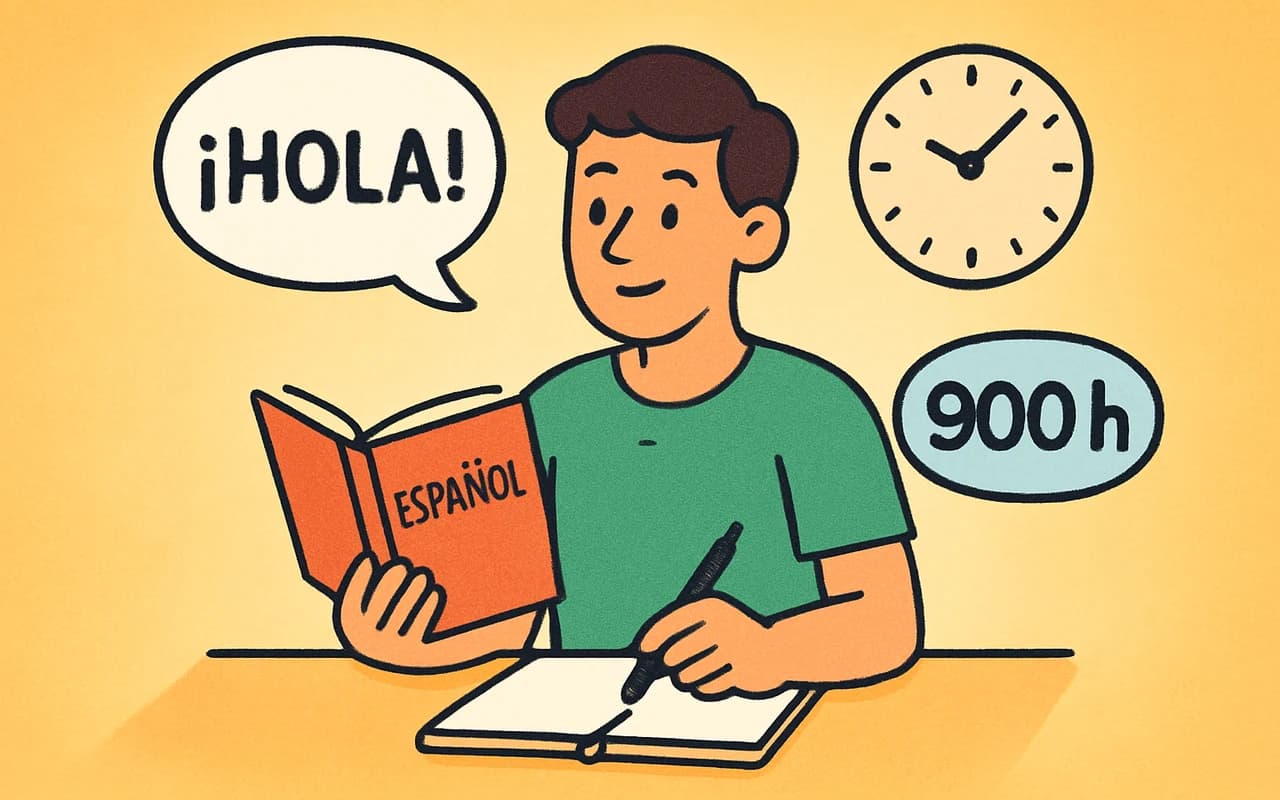
Estimates for learning Spanish range from about 350 to 900 hours depending on the goal. Here are the benchmarks by level and a simple way to log your own hours.
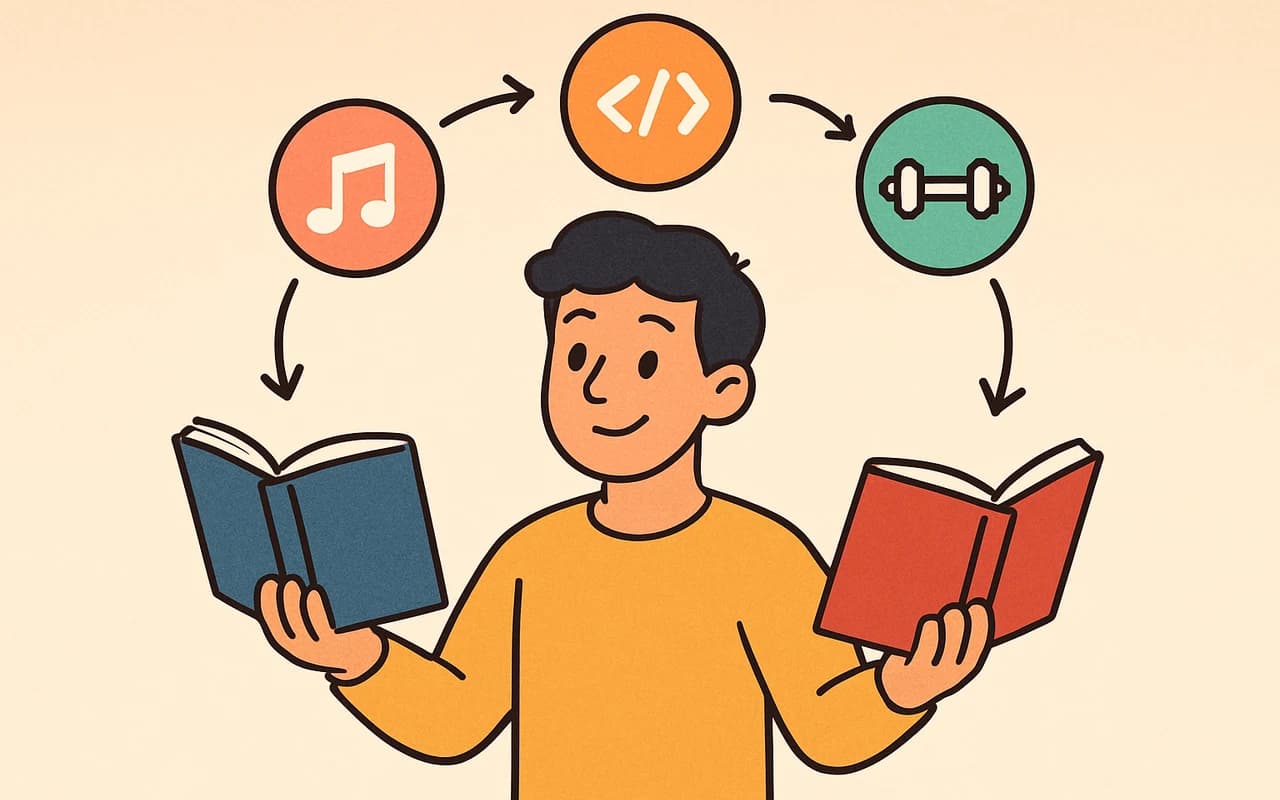
Learning more than one skill on a limited schedule? Here is how to budget your weekly hours, size your sessions, and track progress without spreading yourself too thin.
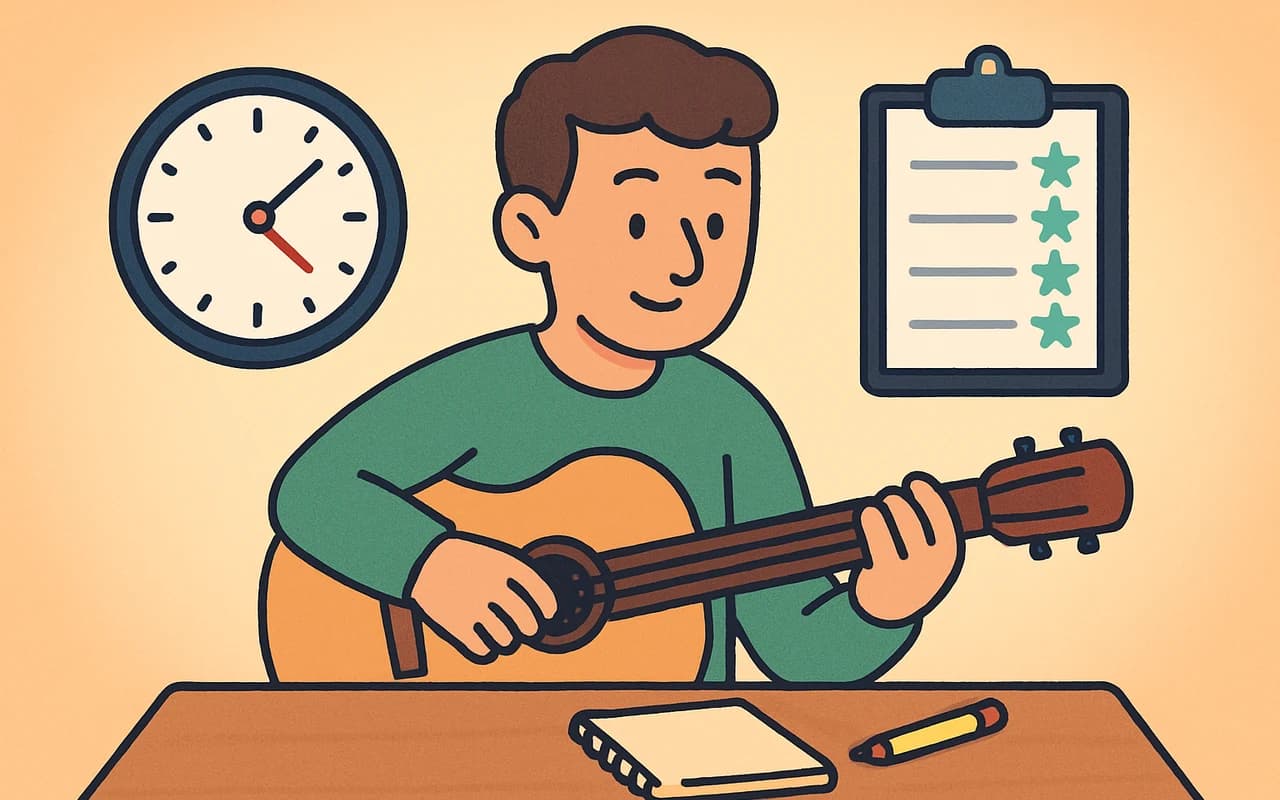
Hours of practice tell you little on their own. Here is why rating your focus after each session gives a truer picture of progress, and how to do it simply.
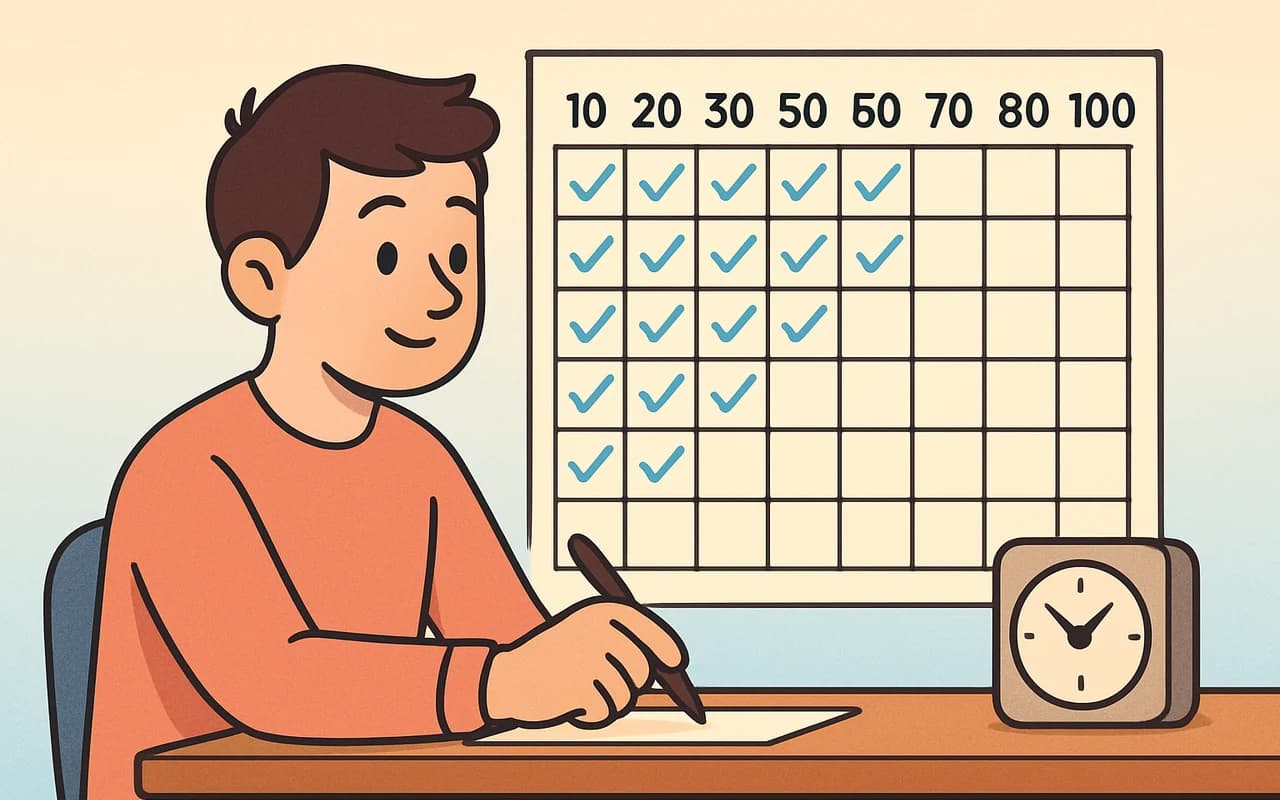
Most learners drop a new skill once the novelty fades. Here is a simple logging system to keep your first 100 hours honest, visible and motivating.

A practical guide to keeping a daily practice going for 12 months: shrink the minimum, anchor it to a cue, record each day, and recover fast after a miss.

A practice log turns vague effort into visible progress. Learn what to record, how to keep it simple, and where logging can backfire.
Learn how to pick a realistic hour target for a new skill, break it into weekly sessions, track progress, and avoid the common traps that stall learners.